

Okay, picture this — you click into a Solana NFT drop, your heart races, and then your wallet extension prompts you for a signature. Yikes. That moment tells you everything about browser wallets: they’re tiny trust bridges between your browser and the decentralized web. I’m biased toward tools that feel fast and light, but I’m also picky about security. So yeah — wallets matter. A lot.
Solana’s ecosystem is built for speed and low fees, which makes it tempting to interact with lots of apps quickly. But speed without good tooling leads to mistakes. I’ve spent months using browser extensions to manage multiple accounts and transactions, and some patterns keep repeating: convenience wins, but mistakes compound. That means your choice of extension changes your day-to-day experience more than you might expect.
What’s a Solana browser extension actually doing?
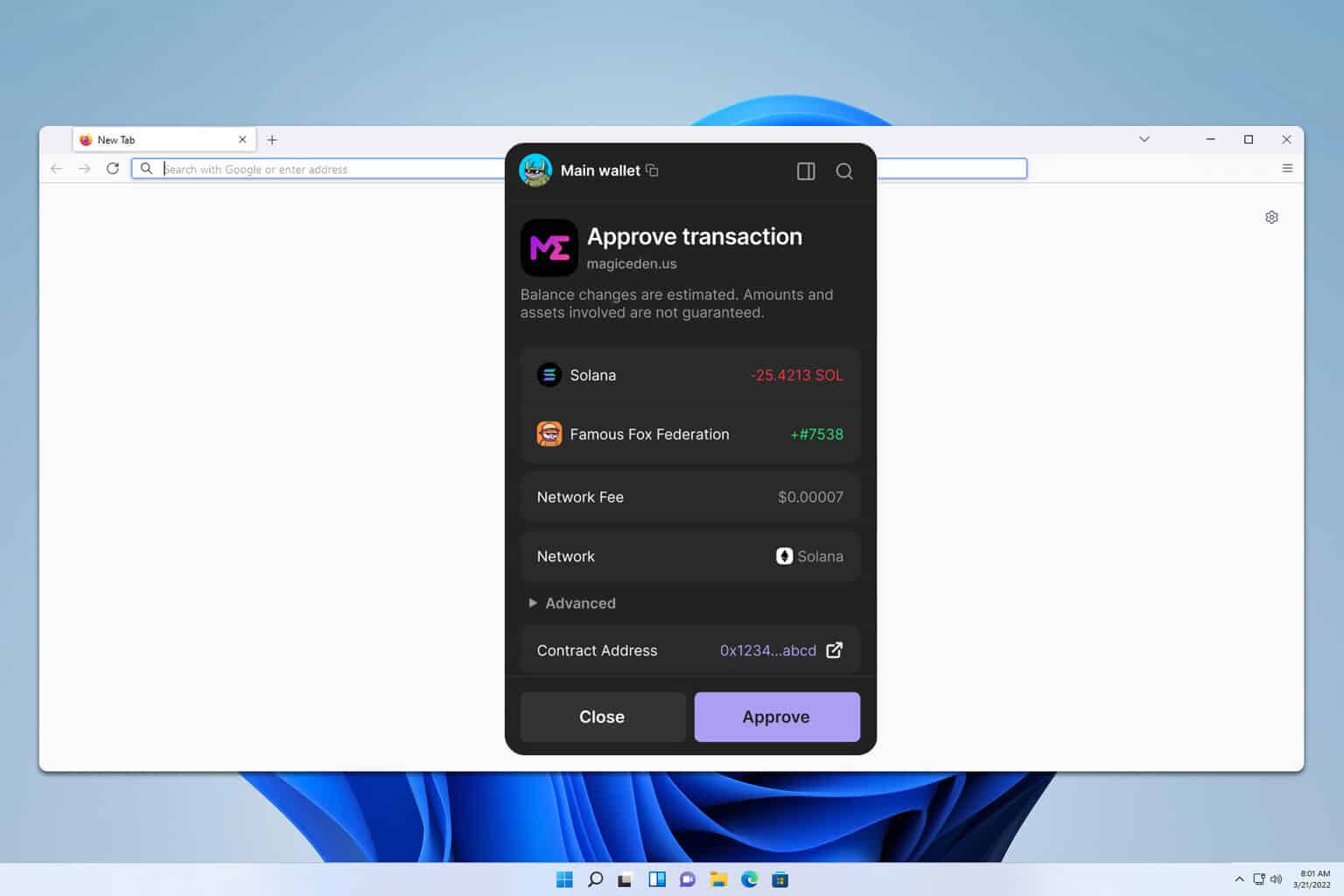
At a base level, a browser wallet creates and stores private keys locally, injects a web3 provider into pages you visit, and displays transaction confirmations before you sign. Sounds simple. It isn’t. The subtle parts are about UX and permission granularity — can you restrict a dApp to a single account? Can you view the exact transaction payload? How clear is the signing prompt? Those details determine whether you click fast and regret later, or click slow and stay safe.
When a dApp asks for a connection, the wallet negotiates which account to expose. Then, when the dApp asks for a signature, the extension shows you the raw request — ideally. Not all wallets prioritize transparency. Some show only the destination and amount; others show the program IDs and instruction layout. If you want to be safe, choose a wallet that surfaces as much of the transaction as possible.
Phantom Wallet: Practical pros and pitfalls
Phantom is the most commonly recommended Solana browser wallet, and for good reasons: it’s polished, fast, and integrates smoothly with many dApps. If you’re curious, check out phantom wallet — the site links to the extension and download options.
What I like: clean interface, good token/NFT management, and strong developer ecosystem support. It’s simple to add custom tokens, switch networks (devnet, testnet), and manage multiple addresses. The UX is friendly for beginners and compact enough for power users who want speed.
What bugs me: every widely used extension becomes a target. Popularity draws attention from phishers who clone interfaces or create fake download sites. Also, convenience features — like auto-connect or “remember this site” — can be a double-edged sword. They speed up routine interactions, sure, but they can also widen the blast radius of a compromised site.
Security practices that actually help
All right — security talk. My instinct said “store your seed offline,” and that’s still good advice. But let me be practical: most people want a browser wallet. So here are usable mitigations that actually work day-to-day.
- Use a hardware wallet for large balances. Seriously, if you’re moving serious value, combine an extension with a hardware signer.
- Limit auto-connect. Disable permissions that let dApps reconnect automatically unless you really trust them.
- Double-check transaction details. Look for program IDs and instruction counts if your wallet shows them.
- Keep recovery phrases offline. Even a photo in cloud storage is risky.
- Use separate accounts for different purposes — one for little trades, one for long-term holdings.
Initially I thought a single strong password would be enough, but then I watched someone recover a stolen account after a seed leak — and I realized layered defenses matter. Actually, wait — that’s not a hypothetical. Friends of mine lost access after reusing passwords on shady sites. Don’t be that person.
Common UX traps to watch for
Okay, so some traps are obvious and some are perniciously subtle. Obvious: fake extensions and phishing links. Subtle: dApps asking for seemingly benign permissions that let them drain approvals later. For example, “approve all tokens” or “approve unlimited spending” can be used later to sweep tokens without prompting every time.
One practical trick: when approving, prefer wallets that show the raw instruction list. If a prompt lists a program like the token program with a transfer instruction for X tokens to Y address, that’s easier to audit than a vague “Approve spending” message. On the other hand, I’m not 100% sure every user will read the raw instruction, so good wallets also need to translate technical details into plain language.
Alternatives and when to use them
Not every user should default to Phantom or a browser extension. Mobile wallets, multisig contracts, and hardware wallets each have times they make more sense. If you’re doing collaborative treasury work, a multisig is safer. If you trade frequently but keep small balances, a browser wallet is fine. If you’re holding long-term, cold storage wins.
On the subject of browser extensions specifically: try multiple wallets on testnet before committing. The experience of connecting, disconnecting, and reviewing transactions differs in surprisingly meaningful ways. I tested three extensions before picking my daily driver, and that hands-on comparison saved me from a UX annoyance that would’ve become a daily headache.
FAQ — quick answers
How do I safely install a wallet extension?
Download from the official source (the extension store listing linked from the wallet’s official site). Avoid third-party links or clone pages. After install, verify the extension ID and check community channels for verified links.
Can I use Phantom with a hardware wallet?
Yes, Phantom and other wallets offer hardware wallet integrations for signing. Use the hardware device for signing high-value transactions and keep day-to-day funds in a separate account.
What if I think I clicked a malicious link?
Immediate steps: disconnect or lock your wallet, revoke site permissions if possible, move funds to a new wallet if you suspect seed exposure, and check for approvals on token programs. Time matters — quicker responses reduce losses.
